Aluminum Casting Company is offering trusted services in this clear article.
Wiki Article
Just How Recycled Metals Power Sustainable Manufacturing in Today's Aluminum Foundries
The light weight aluminum sector is going through a significant transformation driven by the adoption of recycled metals. This shift not only enhances power performance but likewise lessens environmental impact. Technologies in recycling innovation are essential in this process, guaranteeing the high quality of recycled light weight aluminum satisfies sector requirements. As the demand for sustainable production increases, it increases concerns regarding the future of light weight aluminum factories and their role in a round economic situation. What are the ramifications for production practices?The Significance of Reusing in the Aluminum Market
Reusing plays a vital role in the aluminum industry, significantly reducing the ecological influence connected with steel production. The procedure of recycling aluminum requires substantially less power contrasted to primary production, using up to 95% much less power and resulting in lower greenhouse gas discharges. This energy effectiveness not just conserves all-natural resources but likewise reduces the eco-friendly impact of aluminum manufacturing. Recycling aluminum adds to a circular economic situation, where materials are continually repurposed, consequently lowering the demand for virgin products. The aluminum industry advantages from the high value of recycled aluminum, which is typically preferred due to its quality and lowered ecological expense. As even more consumers and markets choose for recycled items, the demand for recycled aluminum remains to expand, promoting lasting techniques. On the whole, reusing is not simply a cost-efficient service; it is an important part in fostering environmental sustainability and reinforcing the aluminum market's future
Technologies in Recycling Technology
As the light weight aluminum industry evolves, advancements in recycling modern technology are transforming the way recycled steels are refined and utilized. Advanced sorting techniques, such as computerized optical sorting, currently allow factories to successfully identify between numerous aluminum qualities, making sure greater pureness in recycled products. Additionally, the application of hydrometallurgical procedures permits the removal of light weight aluminum from complex waste streams, enhancing overall recovery rates.
The assimilation of synthetic intelligence and maker learning in reusing procedures improves decision-making and operational effectiveness. These modern technologies optimize the recycling process by forecasting material circulations and determining prospective ineffectiveness.
The growth of closed-loop recycling systems lessens product loss and supports continual use of light weight aluminum items. Developments in chemical recycling methods are also arising, enabling the recovery of light weight aluminum from products that were formerly regarded non-recyclable. Collectively, these innovations are setting brand-new standards for sustainability in aluminum shops, promoting a round economic climate.
Energy Performance and Environmental Impact
While the aluminum shop sector makes strides in recycling innovation, it likewise deals with pressing challenges concerning energy efficiency and environmental impact. The manufacturing of aluminum from recycled products considerably reduces power usage compared to primary aluminum production, yet lots of foundries still rely upon energy-intensive processes. These procedures contribute to greenhouse gas exhausts and ecological deterioration, highlighting the demand for improved techniques.Carrying out energy-efficient technologies, such as sophisticated melting and spreading methods, can reduce these effects. In enhancement, spending and optimizing logistics in renewable resource sources are essential for reducing the carbon impact connected with aluminum production. The shift to lasting methods not only benefits the environment yet can additionally improve the financial stability of foundries, attracting eco mindful customers and financiers. As the sector progresses, focusing on energy effectiveness and minimizing ecological damage will certainly be crucial for the long-term sustainability of light weight aluminum factories in an open market.
High Quality Assurance in Recycled Aluminum Production
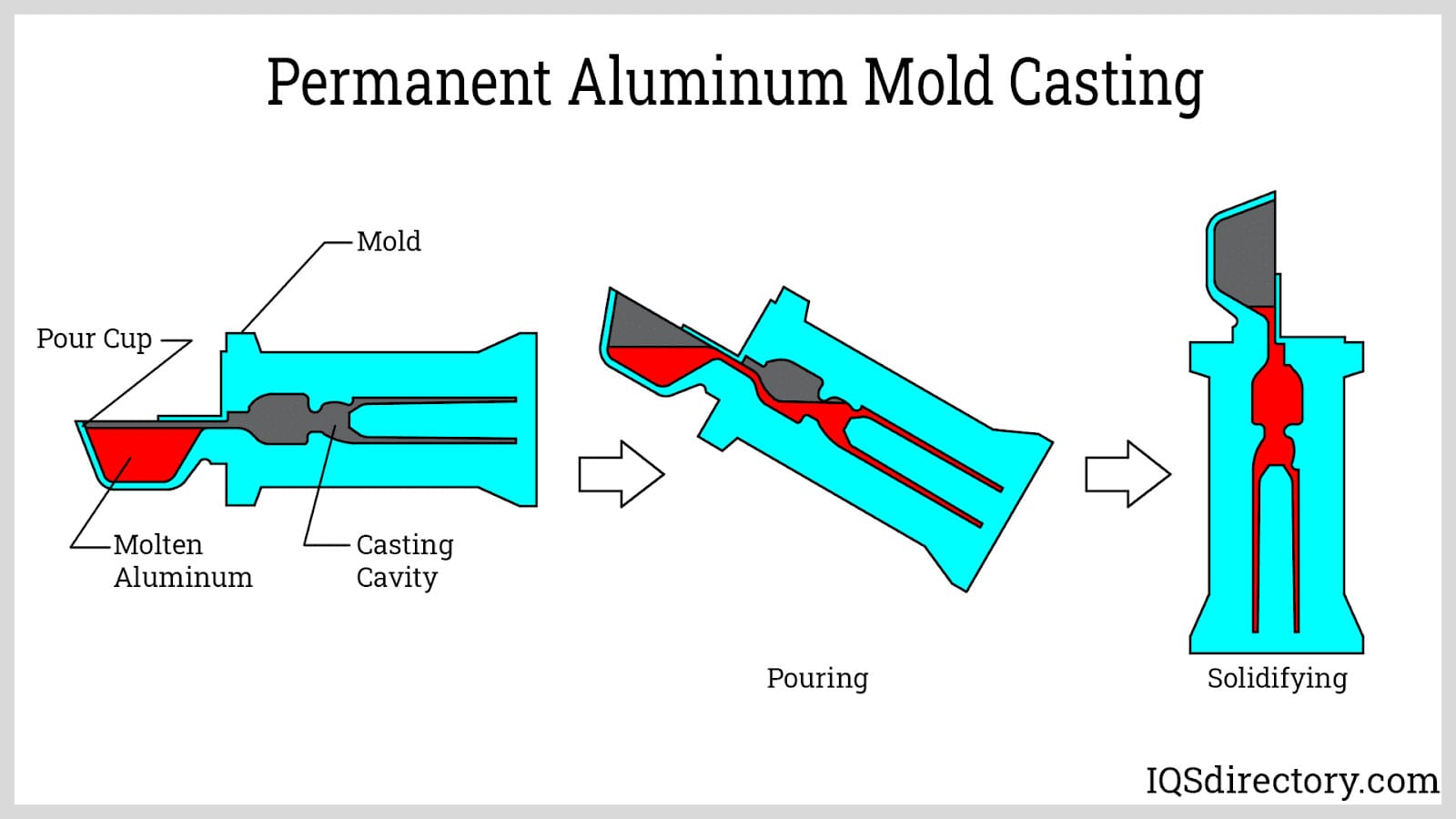
Safeguarding high-quality criteria in recycled aluminum production is vital for preserving the integrity of the final product. This procedure begins with the mindful choice of scrap materials, where pollutants such as plastics, coverings, and other steels are carefully eliminated. Advanced arranging modern technologies, such as automated systems and manual inspections, play an important duty in accomplishing this objective.As soon as the scrap is deemed suitable, rigorous melting and spreading processes are used, carefully kept track of to preserve temperature level and make-up (aluminum casting). Quality control procedures include normal tasting and testing of the molten aluminum to identify contaminations and assure it meets market requirements
In addition, qualified high quality administration systems are implemented, allowing factories to track manufacturing metrics and maintain compliance with international criteria. By focusing on top quality assurance throughout the production cycle, light weight aluminum shops can produce high-performance products that not only fulfill client assumptions however additionally contribute to lasting production practices.
Future Trends in Sustainable Light Weight Aluminum Production
The future of lasting light weight aluminum manufacturing is poised for considerable improvement, driven by developments in modern technology and enhancing environmental awareness. Industry leaders are checking out advanced reusing techniques that boost product healing and minimize waste. The integration of expert system and machine learning in foundries is expected to maximize production procedures, making certain reliable usage of sources while reducing carbon emissions.In addition, the usage of sustainable energy sources, such as solar and wind, is prepared for to come to be a standard technique in aluminum manufacturing, additional decreasing the industry's carbon footprint. Partnership among suppliers, governments, and research study organizations is vital to developing lasting techniques and developing governing frameworks that advertise environmentally friendly operations.
Frequently Asked Inquiries
What Sorts of Metals Are Frequently Recycled Along With Light Weight Aluminum?
Typically recycled steels together with aluminum include copper, zinc, brass, and steel. These materials are often accumulated from numerous sources, consisting of construction websites, vehicle components, and customer products, adding to a circular economy and sustainable resource management.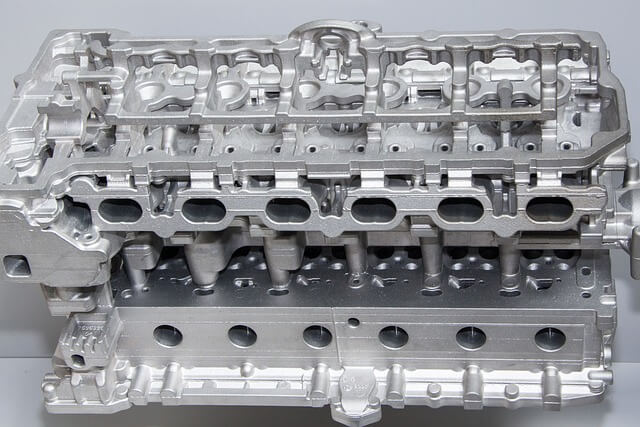
Just How Is Recycled Aluminum Different From Key Aluminum?
Recycled light weight aluminum differs from main light weight aluminum in its production procedure; it needs significantly less energy and sends out fewer greenhouse gases. Additionally, recycled aluminum maintains similar residential or commercial properties and quality, making it a sustainable choice for next page numerous applications.What Are the Economic Advantages of Using Recycled Metals?
Utilizing recycled steels substantially decreases manufacturing prices, lessens energy consumption, and reduces waste disposal expenses. This approach additionally cultivates task production in recycling sectors, adding look at this now to a more lasting economic climate while boosting resource performance across various industries.
Exactly How Does Recycled Light Weight Aluminum Influence Item Design?
Recycled aluminum affects item layout by enabling greater adaptability in sizes and shapes, lowering weight, and motivating ingenious methods. Designers can incorporate sustainability flawlessly, boosting aesthetics while reducing ecological effect and source usage.Exist Specific Regulations for Recycled Aluminum Production?
Yes, specific laws regulate recycled light weight aluminum manufacturing, concentrating on environmental standards, safety methods, and recycling processes. Conformity warranties that manufacturers lessen discharges, promote lasting practices, and maintain item top quality throughout the aluminum lifecycle.The light weight aluminum sector benefits from the high value of recycled aluminum, which is commonly liked due to its top quality and minimized ecological cost. As more consumers and industries choose for recycled products, the demand for recycled light weight aluminum proceeds to grow, advertising sustainable techniques. The manufacturing of aluminum from recycled products considerably lowers energy intake contrasted to key aluminum manufacturing, yet several shops still rely on energy-intensive procedures. Recycled light weight aluminum differs from primary light weight aluminum in its manufacturing process; it calls for considerably less power and discharges fewer greenhouse gases. Yes, specific laws regulate recycled aluminum production, focusing on environmental requirements, safety and security protocols, and recycling click over here now procedures.
Report this wiki page